
The average recruiter spends 23 hours screening resumes for a single hire. The goal of screening resumes is to decide whether to move a candidate forward – usually onto an interview – or to reject them.
What is Resume Screening?
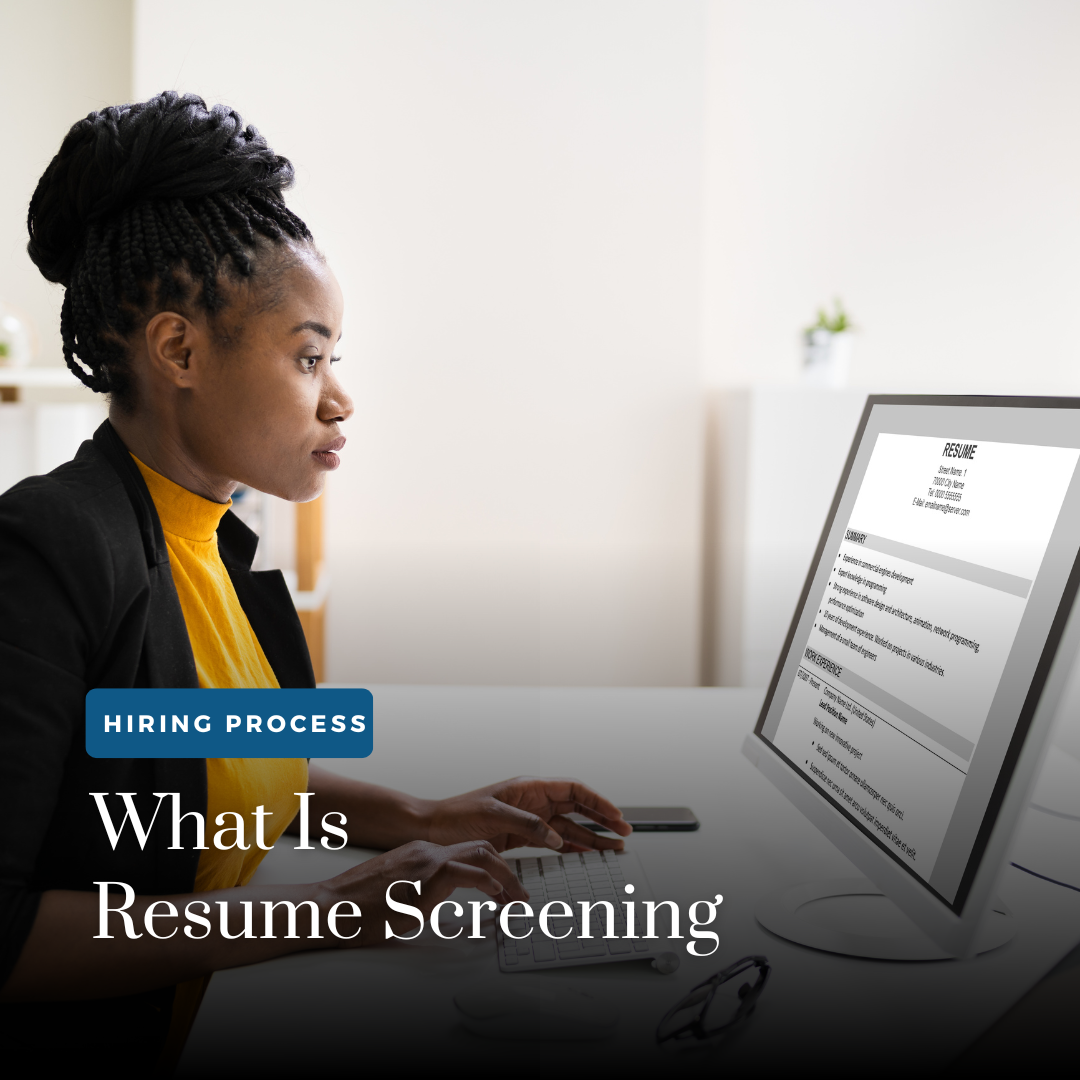
Resume screening is the process of reviewing a resume to determine if the candidate is qualified for the position. The decision of whether the candidate is qualified or not is based on education, experience, skills, and any other relevant information that may appear on the resume.
Screening Resumes
Screening resumes typically involves a process based on the role’s minimum and preferred qualifications. Both qualifications should be related to on-the-job performance and are ideally captured in the job description.
These qualifications can include:
-
Work experience
-
Education
-
Skills and knowledge
-
Personality traits
Resume screening saves recruiters time during the hiring process and leads to faster onboarding of new employees. Whether you screen resumes manually or use software, using the best techniques can help you identify the most suitable applicants.
WHY IS RESUME SCREENING IMPORTANT?
There has been an increase in job ads and job boards online. Businesses are receiving a larger number of resumes for a small number of jobs.
Resume screening allows recruiters to examine the background of individuals and determine their suitability for the job and company culture. It narrows down a large pool of candidates, reduces time to fill, and helps you assess the effectiveness of job posts.
SCREENING SOFTWARE VS MANUAL SCREENING
Manual screening involves recruiters reviewing each resume independently, while software-based resume screening utilizes artificial intelligence tools that scan resumes for predetermined criteria.
Manual screening is a lengthier process than using screening software; it works better when trying to account for those small differences between resumes. Resume screening software streamlines the review process by pre-selecting the most qualified resumes based on keywords the software detects.
HOW TO SCREEN RESUMES
If you decide to manually screen resumes yourself or use software, you’ll want to keep these tips in mind for screening resumes:
-
Screen based on required credentials – Review applicant resumes with the job description in mind.
-
Screen based on preferred qualifications – While employers will have a list of required credentials, they may also have a list of desired skills.
-
Shortlist based on minimum and preferred qualifications – Applicants who customize their resume to the job ad demonstrate they have done their research on the position and the organization. It also shows the applicant’s dedication and attention to detail.
-
Check the applicant’s information – Once you have reduced the list of applicants, it is important to check the accuracy of the remaining candidates’ information.
WHAT TO LOOK FOR IN RESUMES
You should look out for the following to help identity the best people for the job:
Unprofessional Resumes:
Applicants who submit unprofessional resumes, such as those with many spelling, grammatical or factual mistakes, may be more likely to submit unprofessional work.
Evidence of Job-Hopping:
While “job-hopping,” or moving from one job to the next in a short period of time, is becoming more commonplace, it is important to ask questions during the interview process about why the potential employee held many jobs in quick succession.
Gaps Between Jobs:
As with job-hopping, recruiters should also allow any suitable candidates to speak about sizeable employment gaps on their resumes.
Although challenges come with the practice, screening resumes means a higher chance of reducing a company’s time-to-hire and time-to-fill, making the complex hiring process manageable.


0 Comments