
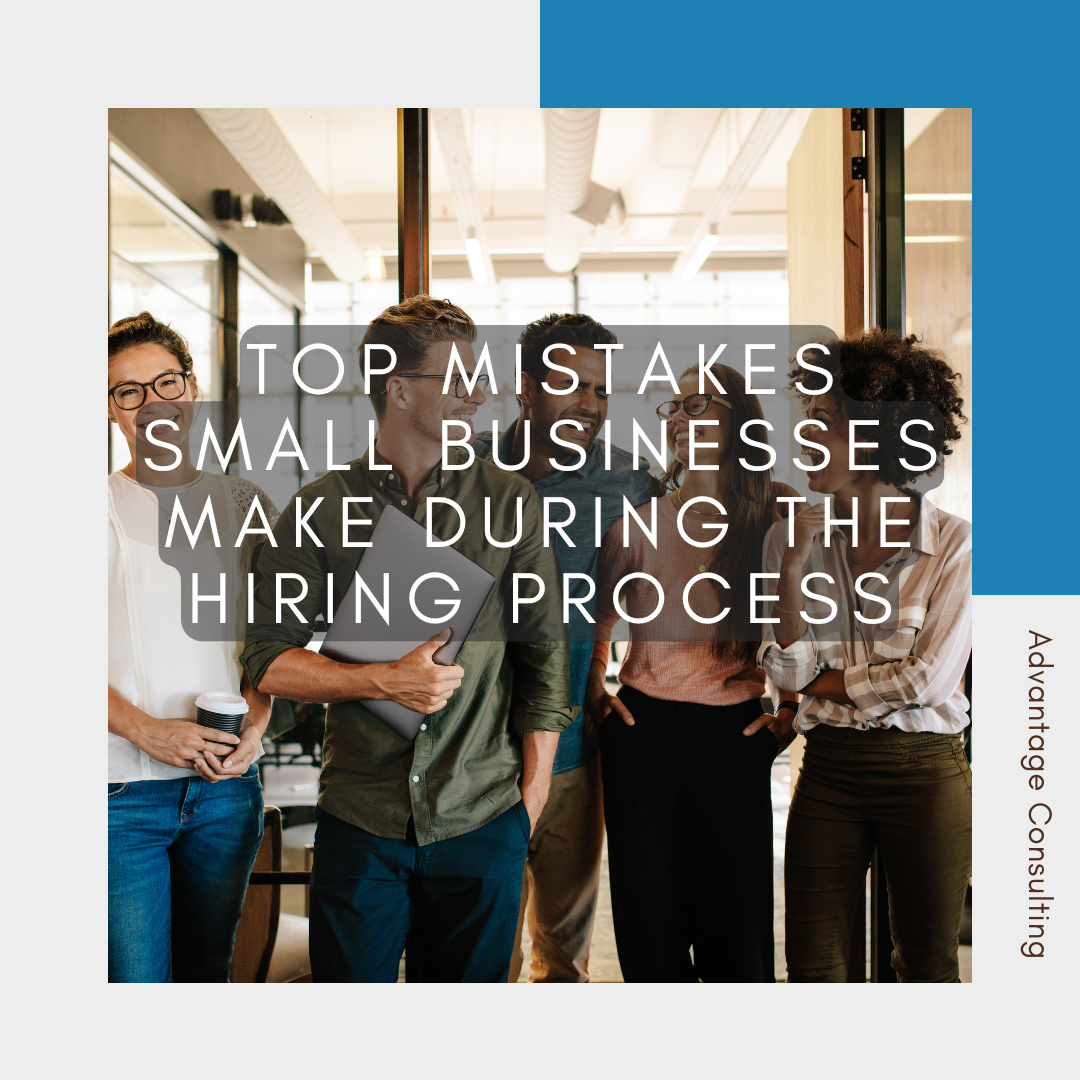
Hiring the right employees is one of the most critical aspects of running a successful small business. The right team can drive innovation, improve customer satisfaction, and help a company grow. However, many small businesses make significant mistakes during the hiring process that can lead to costly turnover, inefficiencies, and a negative workplace culture. These mistakes often stem from a lack of preparation, urgency to fill positions, and not having a comprehensive understanding of modern hiring strategies. In this article, we will explore the most common hiring mistakes, their consequences, and how small businesses can refine their approach to attract and retain the best talent.
An effective hiring process requires a balance between strategy and execution. Without a clear roadmap, small businesses often struggle to find candidates who align with their vision and long-term objectives. By addressing these common pitfalls, businesses can create a hiring strategy that enhances their workforce and strengthens their company’s foundation for success.
The Consequences of Poor Hiring Decisions
Before diving into specific hiring mistakes, it is important to understand the broader impact of poor hiring decisions. When a company hires the wrong employee, it affects more than just productivity. Poor hiring choices can result in:
-
Increased turnover, leading to higher recruitment and training costs.
-
Lower employee morale, as team members struggle to work with underqualified or disengaged colleagues.
-
Wasted time and resources spent on onboarding employees who may not stay long-term.
-
A weakened company reputation, as dissatisfied employees may share negative experiences online or with potential hires.
-
Loss of customers due to poor service from employees who are not the right fit for their roles.
Understanding the significance of each hiring decision underscores the need for a structured and thoughtful hiring approach.
Underestimating the Importance of a Structured Hiring Process
Many small businesses lack a defined hiring process, relying instead on intuition or immediate needs rather than a strategic approach. Without structured steps, such as detailed job descriptions, standardized interview questions, and assessment criteria, companies risk hiring candidates who are not a good fit for the role or company culture.
This lack of structure often results in inconsistent hiring practices, leading to confusion among hiring managers and a disconnect between expectations and reality. Additionally, without a standard process in place, companies may inadvertently introduce bias into their hiring decisions, selecting candidates based on personal preferences rather than qualifications.
Establishing a clear hiring framework, which includes defining job roles, outlining responsibilities, and setting key performance indicators (KPIs) for the position, can greatly reduce these risks. A consistent interview process ensures that every candidate is evaluated fairly, decreasing the likelihood of hiring based on bias or urgency rather than competence. Implementing an applicant tracking system (ATS) can also help businesses streamline the hiring process, ensuring that all applicants are assessed using the same criteria.
Additionally, small businesses should invest in training hiring managers on best practices in recruitment, interviewing, and evaluation. Providing hiring managers with resources and guidelines helps standardize the process and ensures that each candidate is assessed based on relevant qualifications and potential cultural fit.
Rushing the Hiring Decision
Due to urgent business demands, small business owners often rush through the hiring process to quickly fill vacancies. This approach leads to hiring individuals who may not align with company goals, ultimately resulting in a higher turnover rate. A rushed hire may lack the skills necessary for the job, leading to additional training costs, lower productivity, and potential conflicts within the team.
Additionally, rushing a hiring decision can prevent businesses from conducting proper due diligence, such as reference checks or background screenings. Without these precautionary steps, a company may end up with an employee who does not meet performance expectations or company standards.
Instead of hiring out of desperation, small businesses should take the time to thoroughly assess candidates. Posting job openings on multiple platforms, conducting multiple rounds of interviews, and verifying references can help identify the most suitable candidates for long-term success. A more deliberate approach allows businesses to build a strong team that aligns with company values and operational goals.
Moreover, businesses can implement temporary solutions, such as hiring freelance or contract workers, to fill immediate needs while they take the time to find a permanent hire. This ensures that operations continue smoothly without compromising the quality of hiring decisions.
The Hidden Costs of a Bad Hire
Many small businesses focus solely on the direct financial cost of recruitment, overlooking the hidden costs associated with a poor hiring decision. These costs can include:
-
Training Expenses: Resources invested in training an employee who ultimately leaves or is terminated.
-
Lost Productivity: Time lost in onboarding a new hire who does not meet performance expectations.
-
Workplace Disruptions: Additional workload for other employees while a replacement is found.
-
Legal Costs: Potential legal disputes if an employee was hired or dismissed without proper procedures.
By taking a more strategic and patient approach to hiring, businesses can mitigate these risks and make more informed decisions.
Expanding Employer Branding to Attract Top Talent
Many small businesses fail to present themselves as desirable workplaces. In today’s competitive job market, candidates are looking for companies that offer more than just a paycheck—they seek growth opportunities, work-life balance, and a strong company culture. When businesses lack a strong employer brand, they may struggle to attract high-quality candidates, resulting in a shallow talent pool.
A well-defined employer brand can help attract top-tier talent. Small businesses should highlight their company culture, values, and employee benefits through their website, social media, and job postings. Encouraging current employees to share their positive experiences can also boost employer credibility. Providing testimonials, behind-the-scenes content, and employee success stories can enhance a company’s appeal to prospective hires.
Additionally, businesses should engage in networking events, industry conferences, and online discussions to build their reputation as a great employer. Engaging with potential candidates before they even apply creates a talent pipeline of individuals who already have a positive perception of the company.
Relying Solely on Resumes and Interviews
While resumes and interviews provide valuable insights, they do not always paint a complete picture of a candidate’s capabilities. Many small businesses make the mistake of hiring based purely on an impressive resume or a strong interview performance without assessing practical skills. This can lead to hires who look good on paper but may not be able to perform effectively in a real work environment.
To mitigate this risk, small businesses should incorporate practical assessments or trial projects into the hiring process to determine whether a candidate possesses the necessary skills. Behavioral interviews and situational questions offer deeper insights into how candidates will perform in real work scenarios. Additionally, leveraging skills-based assessments and personality tests can provide a well-rounded view of each applicant’s strengths and weaknesses, ensuring a more comprehensive evaluation beyond just interview performance.
Building a Stronger Hiring Strategy for Long-Term Success
The hiring process is more than just filling vacancies, it’s about building a team that will contribute to long-term success. By avoiding these common hiring mistakes and implementing structured strategies, small businesses can attract and retain the right talent. A well-thought-out hiring approach not only improves productivity but also enhances company culture and employee satisfaction. Small businesses should continuously refine their hiring practices to stay competitive in today’s dynamic job market.
Throughout this process, resources such as ACG provide valuable insights into talent acquisition and workforce strategies. Implementing expert-backed hiring techniques can significantly improve employee retention and business growth. Taking the right steps today ensures a thriving workforce for the future.


0 Comments